Sensex Today India Live Chart: Real-Time Market Trends, Analysis & Smart Trading Insights
If you are following the Indian stock market, one of the first things you probably check every morning is the Sensex. Whether you are a long-term investor sitting in Mumbai or a beginner trader checking updates from Chennai, the Sensex today India live chart has become an essential tool for understanding market movement in real time.
But here’s the real question — are you just watching the numbers go up and down, or are you actually understanding what the chart is telling you?
In this guide, we will break down how to read the Sensex live chart, what drives market movements, and how Indian traders use these insights to make smarter decisions.
If you regularly track sensex today india live chart, this article will help you go beyond basic observation and move into proper analysis.
What Exactly Is Sensex and Why It Matters?
Sensex, short for “Sensitive Index,” represents the performance of 30 major companies listed on the Bombay Stock Exchange (BSE). These companies are considered leaders across sectors like banking, IT, FMCG, and energy.
For most Indian investors, Sensex acts like a “health meter” of the economy. When Sensex rises, it generally indicates positive market sentiment. When it falls, it reflects caution or negative outlook.
Why Indian Traders Track Sensex Daily
- To understand overall market direction
- To identify trading opportunities
- To track sector performance
- To react to global and domestic news
In short, Sensex is not just a number — it’s a reflection of investor confidence.
How to Read Sensex Today India Live Chart
At first glance, a live chart may look confusing, especially if you are new to stock trading. But once you understand the basics, it becomes a powerful decision-making tool.
Key Elements in a Live Chart
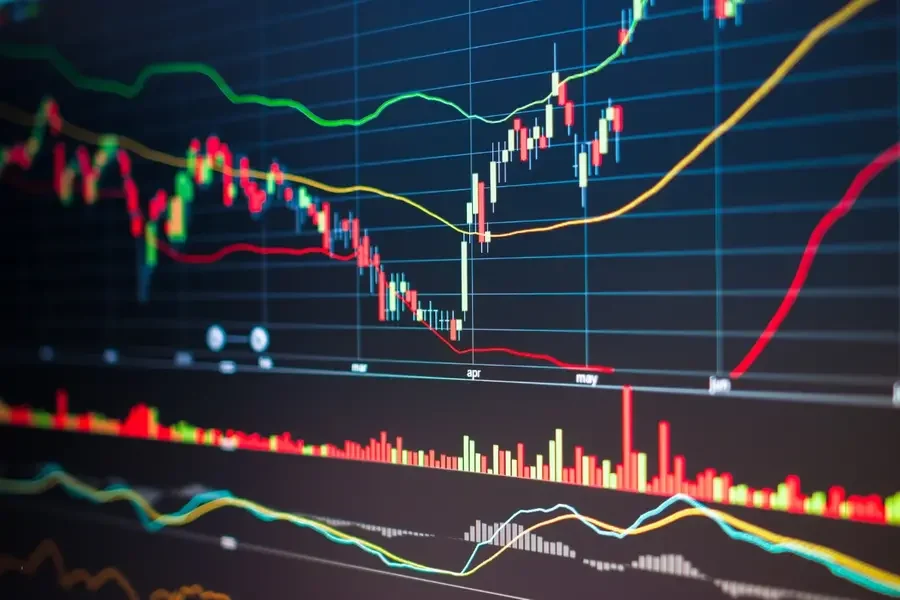
- Price Line / Candlestick – Shows price movement
- Time Frame – 1 minute, 5 minutes, daily, weekly
- Volume – Number of shares traded
- Trend Direction – Uptrend, downtrend, sideways
Most traders in India prefer candlestick charts because they provide more detailed information about market sentiment.
Understanding Market Trends: Uptrend vs Downtrend
One of the first things traders analyse is the market trend.
Uptrend
Higher highs and higher lows indicate a bullish market. Investors are confident, and buying pressure is strong.
Downtrend
Lower highs and lower lows indicate bearish sentiment. Selling pressure dominates.
Sideways Market
When the market moves within a range, traders often wait for a breakout before taking positions.
Recognising these patterns helps traders decide whether to buy, sell, or stay out of the market.
Key Technical Indicators Used by Indian Traders
Most experienced traders do not rely on price movement alone. They combine charts with technical indicators to improve accuracy.
Popular Indicators
- Moving Averages (MA) – Identifies trend direction
- RSI (Relative Strength Index) – Shows overbought/oversold levels
- MACD – Indicates momentum
- Bollinger Bands – Measures volatility
For example, if RSI crosses above 70, the market may be overbought. If it drops below 30, it may indicate oversold conditions.
What Moves Sensex on a Daily Basis?
Many beginners assume that Sensex moves randomly. In reality, multiple factors influence daily price movements.
Major Drivers
- Global markets (US, Asia, Europe)
- RBI policies and interest rates
- Corporate earnings reports
- Inflation and GDP data
- Foreign Institutional Investor (FII) activity
For example, if US markets fall overnight, Indian markets often open lower the next day.
Keeping track of updates through sensex news can help traders understand why the market is moving in a particular direction.
Intraday Trading vs Long-Term Investing
Different traders use the Sensex chart differently depending on their strategy.
Intraday Traders
- Focus on short-term charts (1–15 minutes)
- Look for quick price movements
- Use technical indicators heavily
Long-Term Investors
- Focus on daily or weekly charts
- Analyse fundamentals
- Ignore short-term volatility
Both approaches require understanding market behaviour, but the time horizon is completely different.
Support and Resistance: The Basics of Chart Reading
Support and resistance levels are among the most important concepts in technical analysis.
Support
A price level where buying interest is strong enough to prevent further decline.
Resistance
A level where selling pressure prevents the price from rising further.
When Sensex breaks these levels, it often leads to strong moves — either upward or downward.
Common Mistakes Beginners Make
Many new traders in India start following live charts but make avoidable mistakes.
Typical Errors
- Trading without understanding trends
- Overusing indicators
- Ignoring global market cues
- Emotional decision-making
- Chasing sudden price movements
Avoiding these mistakes can significantly improve trading results.
Practical Tips for Using Sensex Live Chart
Here are some practical tips used by experienced Indian traders:
- Always check global market cues before trading
- Use 2–3 indicators instead of too many
- Follow trend rather than predicting reversal
- Set stop-loss to manage risk
- Stay updated with news and events
Consistency and discipline are more important than trying to predict every move.
Zero-Click Insight: Quick Market Summary
If you are just quickly checking without deep analysis:
- If Sensex is rising steadily → Bullish sentiment
- If falling sharply → Bearish pressure
- If flat → Market waiting for trigger (news/events)
Even without opening charts, these quick signals help you stay aware of market direction.
Future of Sensex Analysis in India
With the growth of mobile trading apps, real-time data analytics, and AI-based tools, analysing Sensex is becoming more advanced.
Today’s traders are no longer dependent only on TV or newspapers. Real-time dashboards, alerts, and live charts are accessible instantly on mobile devices.
This shift is making trading more data-driven and less dependent on guesswork.
Final Thoughts
The Sensex today India live chart is more than just a moving line — it’s a powerful tool that reflects market psychology, economic signals, and investor behaviour.
If you learn how to read it properly, you can make smarter trading decisions, reduce risk, and understand the market at a deeper level.
For Indian investors, combining technical analysis with real-world news and disciplined strategy is the key to long-term success in the stock market.
Sensex Today India Live Explained for Traders: Reading Market Moves, Signals & Real-Time Strategy
Sensex Today India Live Insights: Market Behaviour, Real-Time Strategy & Practical Trading Thinking
Sensex Today India Live Analysis: Real-Time Signals, Market Behaviour & Trading Logic Explained